Engineering Insights & Hardware Roadmap
Technological Evolution: From Mechanical Talkers to Empathic AI Companions
The technical trajectory of the Smart Voice Interaction Bear Toy represents an incredible engineering leap over the past decade. Understanding this progression enables procurement directors to specify hardware configurations that remain commercially viable throughout a multi-year shelf lifecycle.
First-Generation Mechanical Toys (Pre-2018): Constrained by read-only memory (ROM) sound chips, these toys featured pre-recorded 8-bit sound clips triggered by mechanical press switches located in the paws. They possessed zero contextual understanding, zero vocabulary adaptation, and static audio playback that led to swift consumer fatigue.
Second-Generation Cloud Assistants (2018–2022): Integrated with basic Wi-Fi microcontrollers and single-intent voice assistants, these models handled direct question-and-answer pairs ("What is the capital of France?"). However, they were unable to maintain context across multi-turn exchanges, exhibited mechanical synthetic vocal tones, and lacked physical emotional cues.
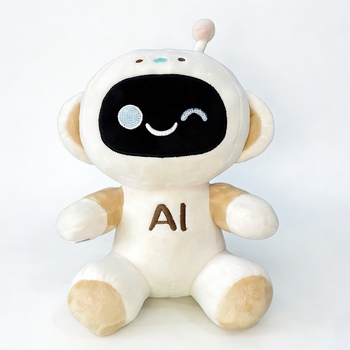
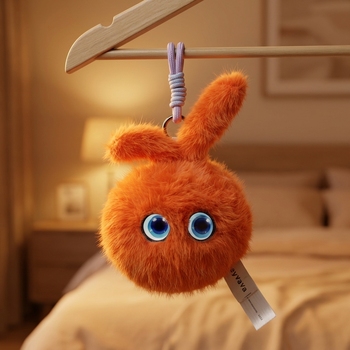
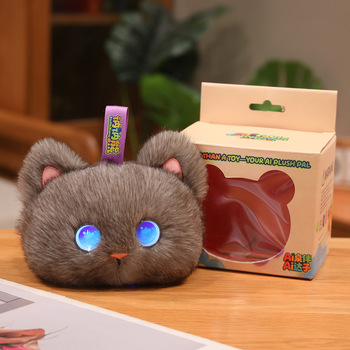
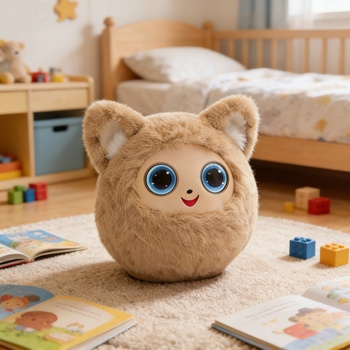
Modern Third-Generation Generative AI Bears (Present Day): Pioneered by Shenzhen Cutepetstoys Technology Co., Ltd., current-generation smart voice bears function as fully conversational companions. Featuring multi-core DSP audio engines, digital noise-canceling MEMS arrays, and low-power IPS LCD graphical screens for real-time pupillary reaction, our bears actively listen, formulate empathetic responses via conversational LLMs, and adapt their speaking cadence according to user age and emotional context.
Next-Generation Horizon (Edge-AI & Spatial Awareness): Our R&D engineering lab is currently prototyping fourth-generation bears incorporating on-device localized Small Language Models (SLMs) capable of offline dialogue, alongside mmWave radar and vision-sensing sensors that acknowledge when a child enters the room without requiring wake words.