Export-Grade Talking & Smart AI Plush Toys
Directly accessible from Shenzhen Cutepetstoys Technology Co., Ltd. Every architecture supports custom exterior skin patterning, custom firmware audio prompts, proprietary wake words, and OEM branding packaging.
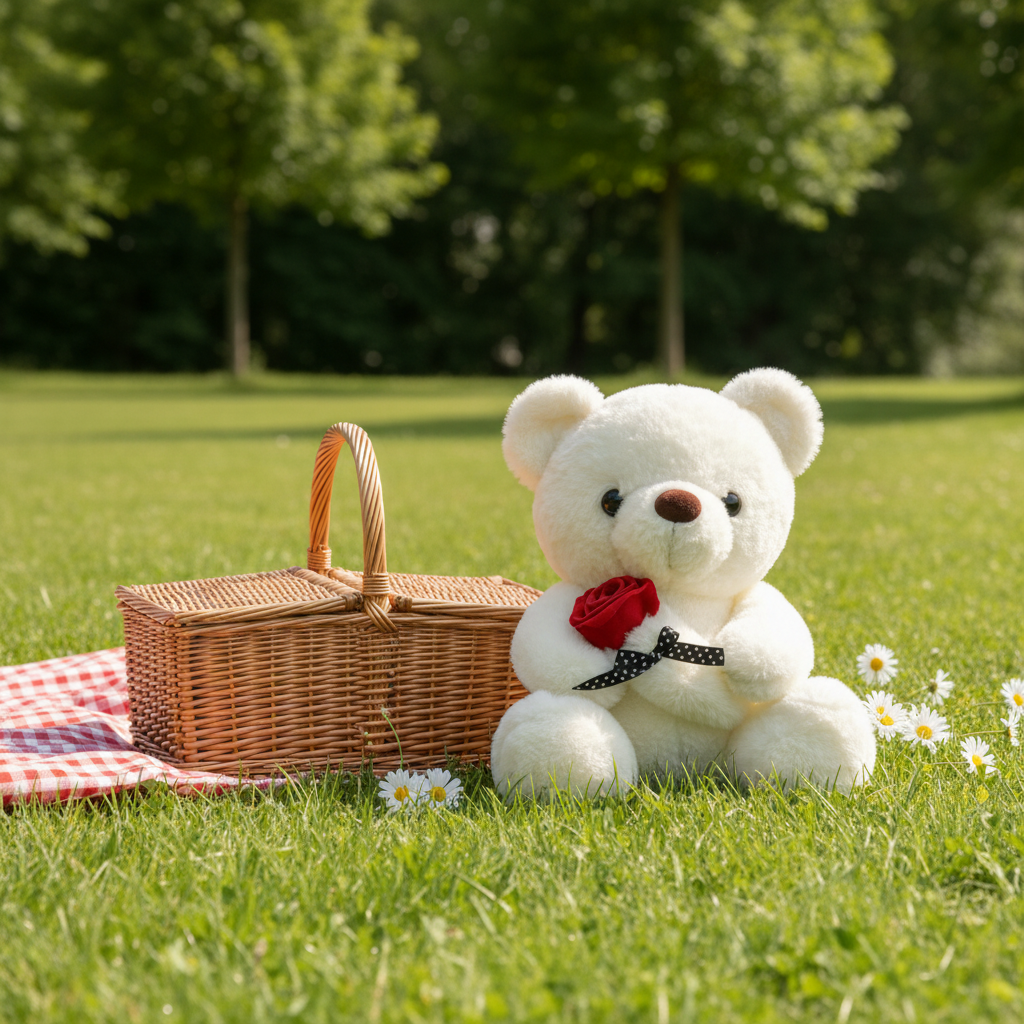
Curipal Custom AI Companion Plush Bear Toy Smart Voice Interactive PP Cotton Filled Personalized Gift for Kids 0-24 Months
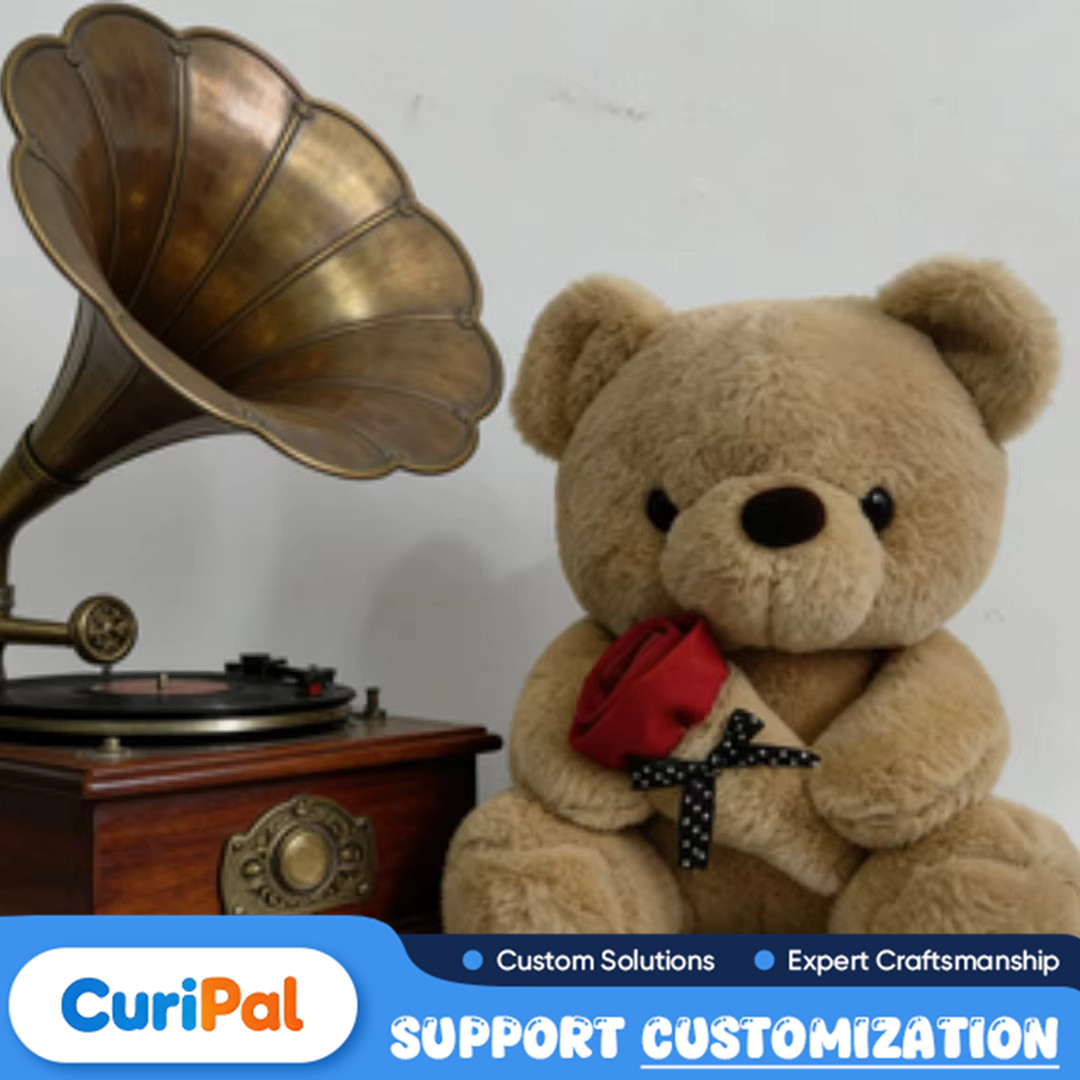
Wholesale Price Custom Colorful AI Touch Responsive Musical Plush Toys Talking Smart Robot Stuffed Animal CuriPal CPAI-003C
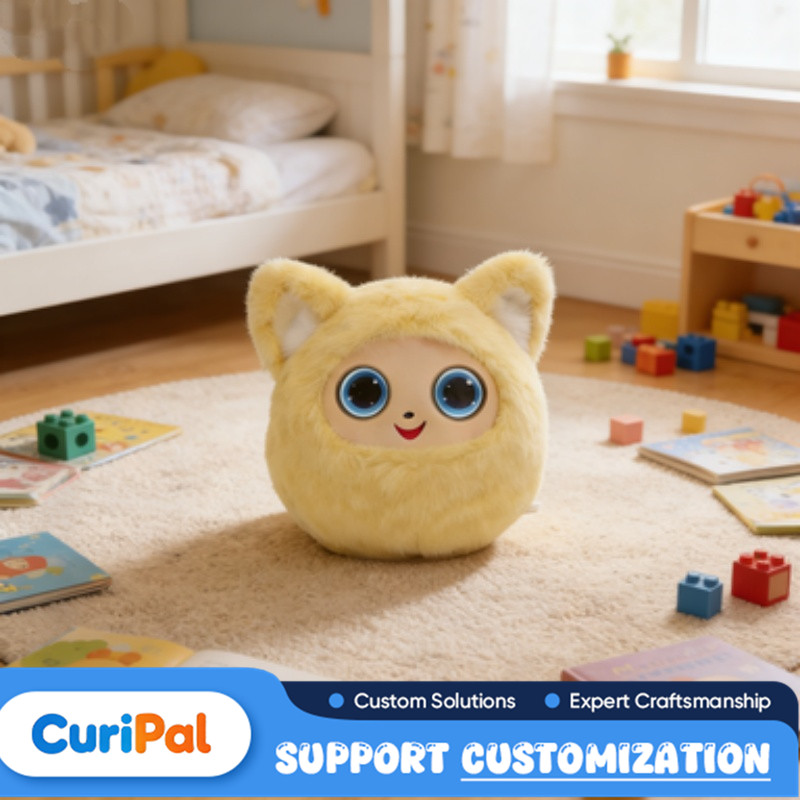
CE CPC ROHS Certified Hot Selling Warm AI Interactive Plush Toy Emotional Companion Touch Sensing Clear Voice Washable Skin
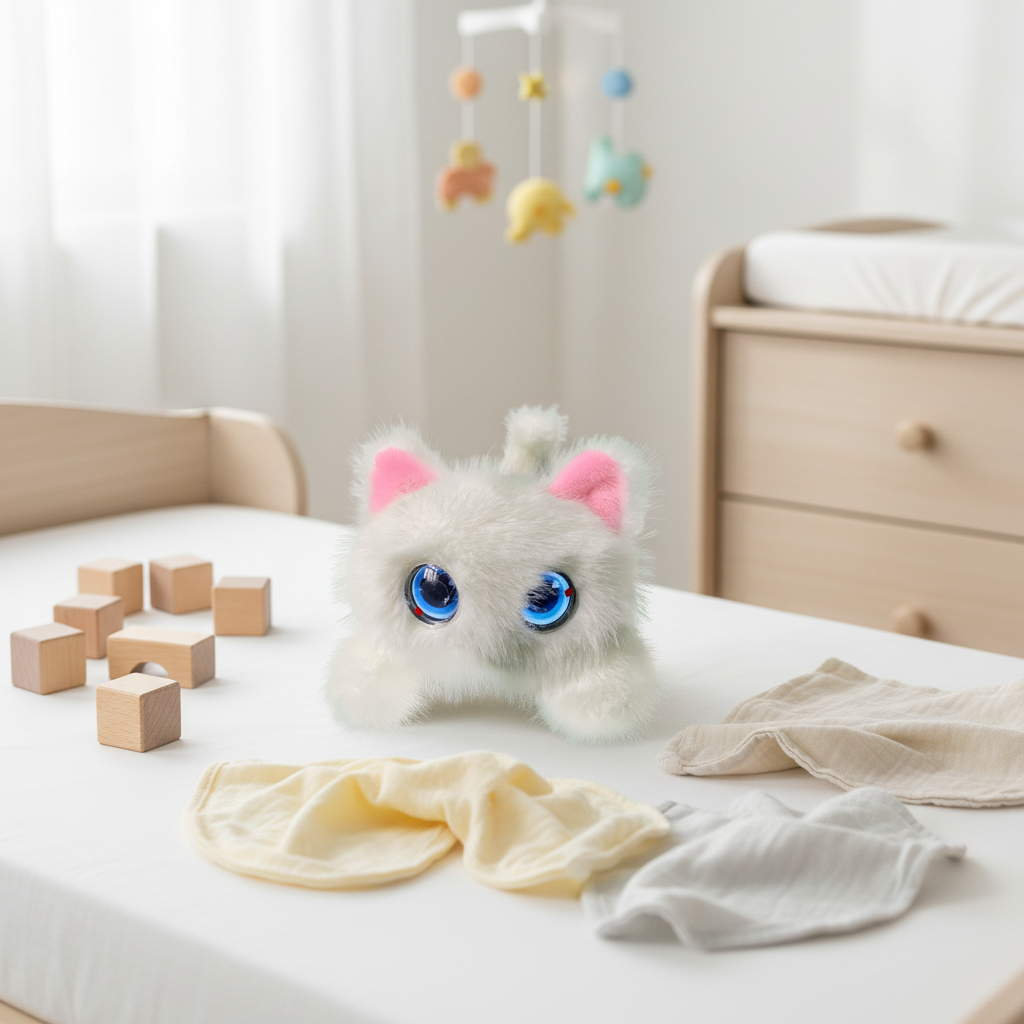
Unique Design Custom AI Chat Plush Cat Soft Stuffed Animal Smart Robot Toys Festival Gift & Kids Bedroom Comfort Companion
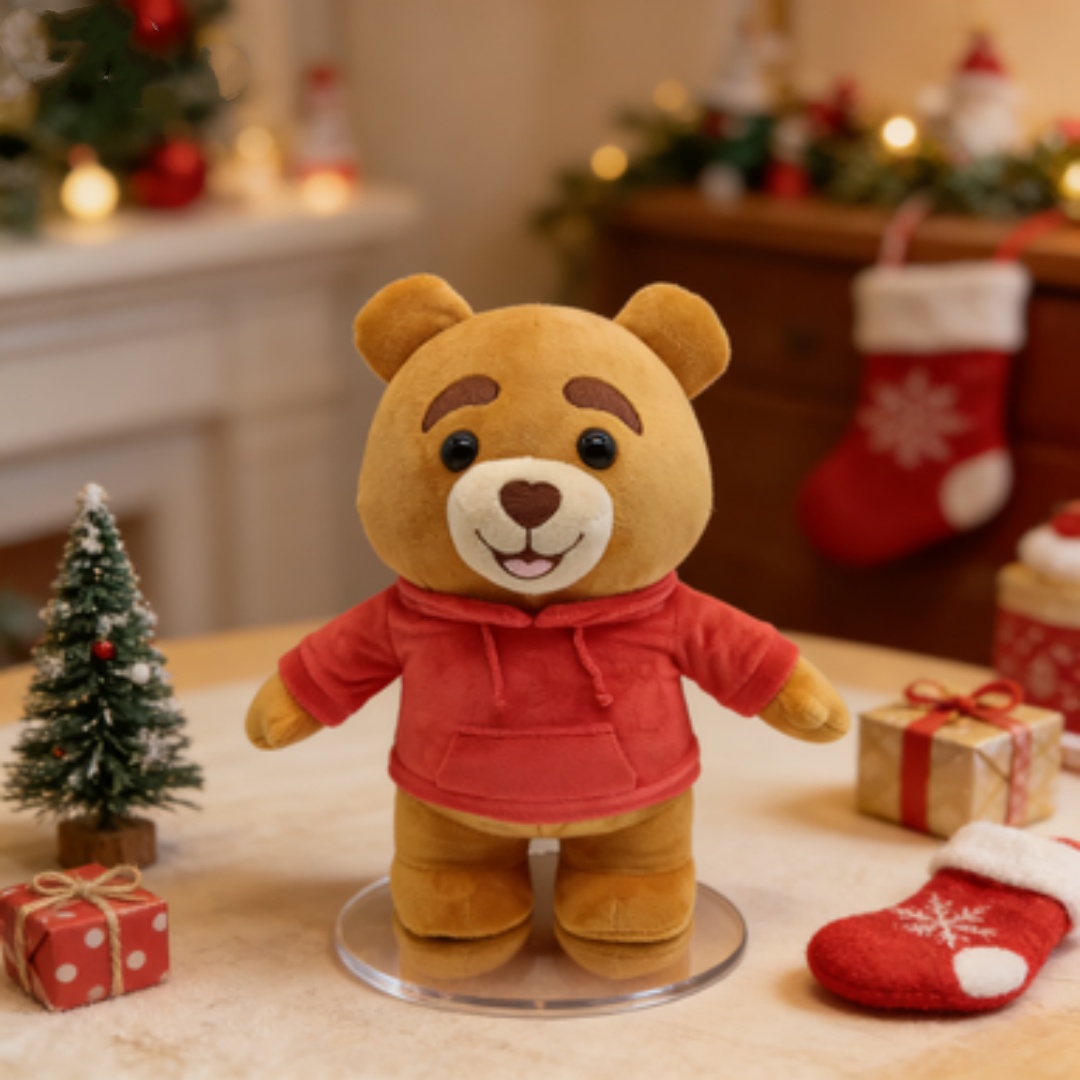
CuriPal Custom AI Interactive Stuffed Animal Voice Dialogue Smart Robot Plush Toy Teenage Companion Gift
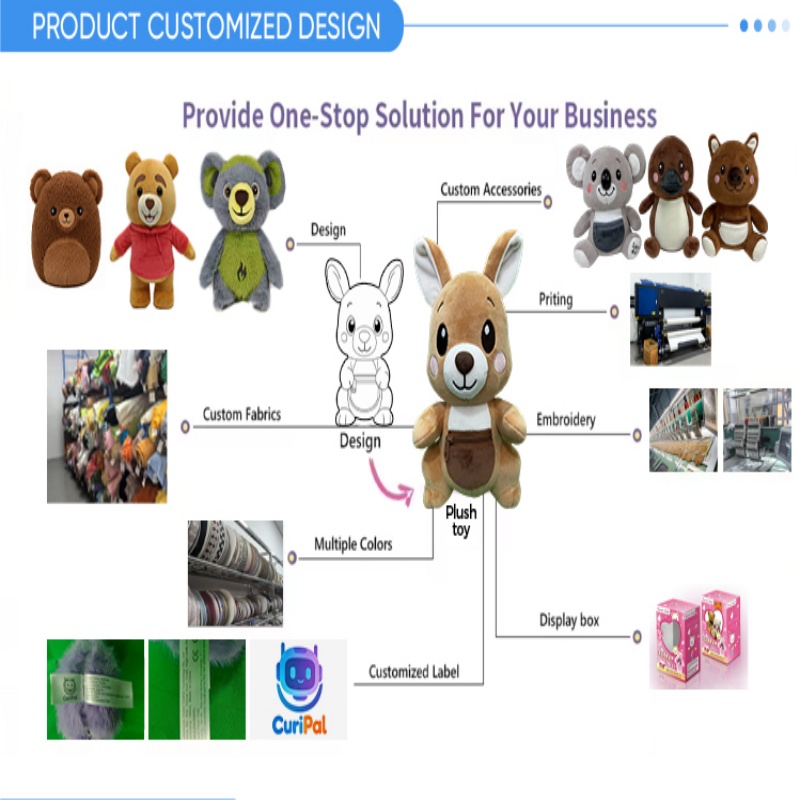
Customizable Plush Toys (Turnkey OEM Mascot Development & Hardware Integration)
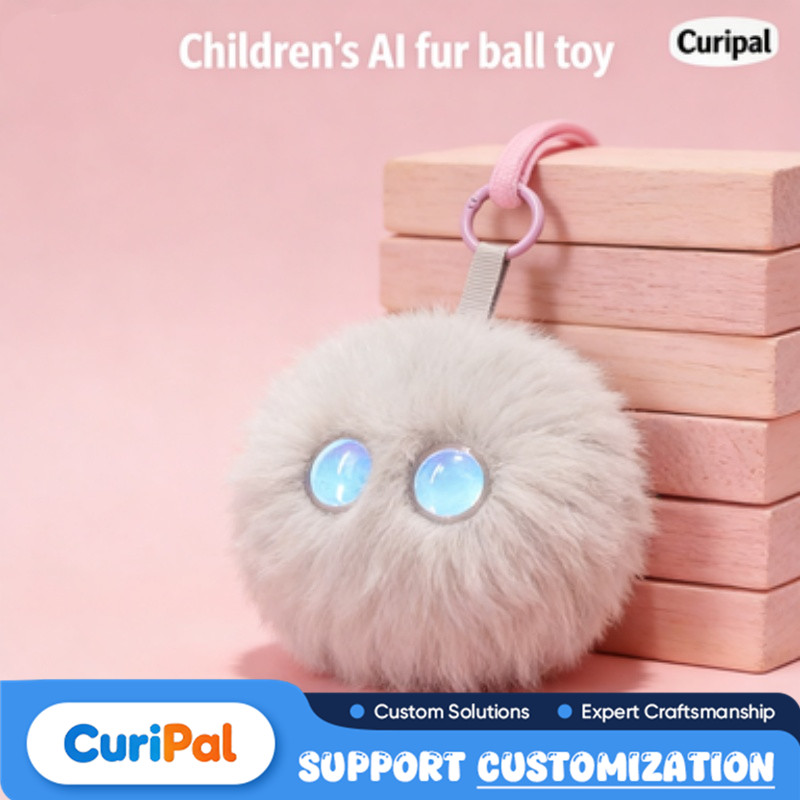
CuriPal Smart Plush Doll Voice Interaction Touch Sensing Washable Soft Fabric Interactive Toy for Kids
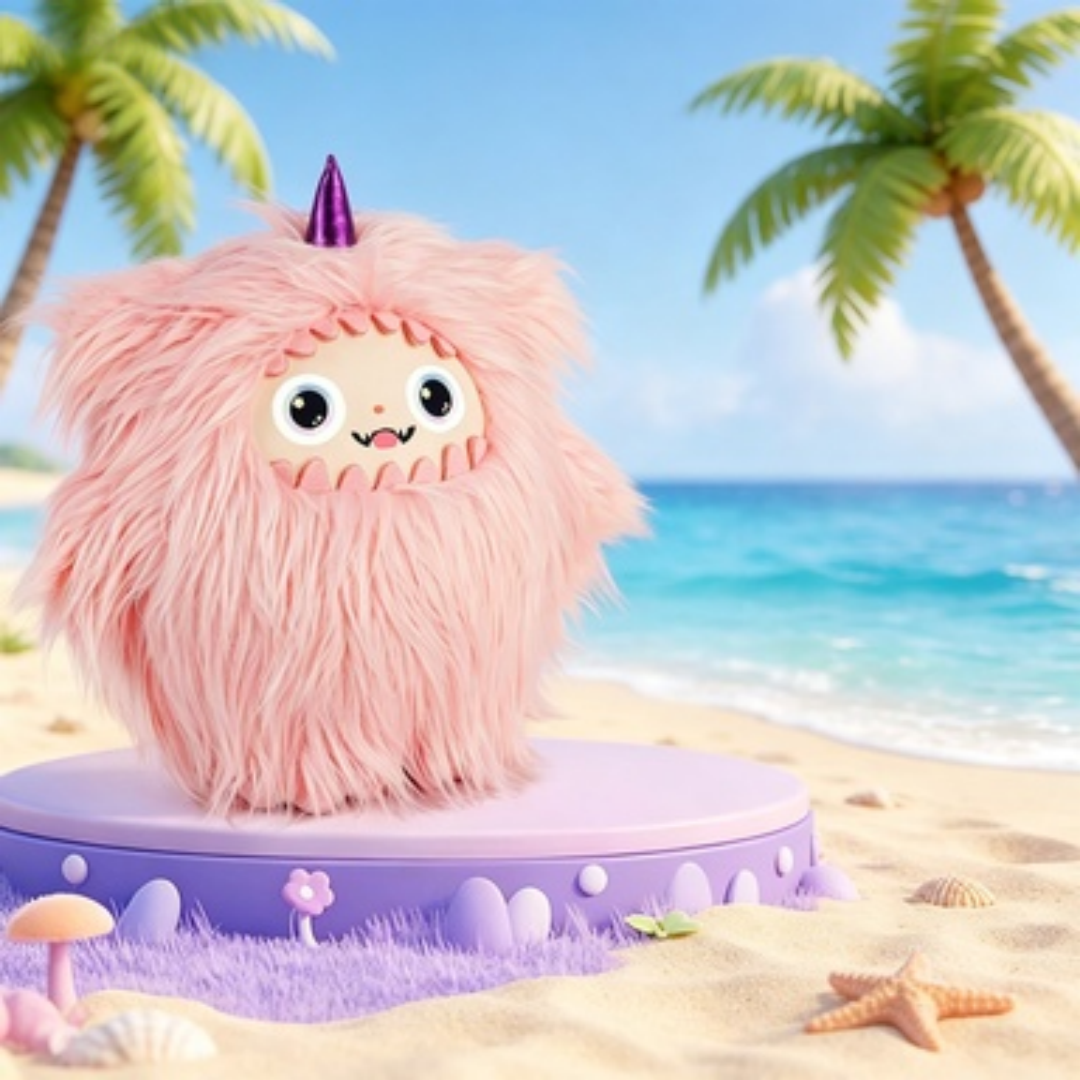
JOPARK Interactive Monster AI Plush Toy Kids Soothing Playmate Travel Naptime Custom Sizes/Colors Educational Gift 2-7 Years
From Mechanical Repeaters to Generative AI Companions
How the world's leading toy supply chain transformed voice-interactive stuffed animals into cognitive emotional hubs.
The global talking plush toy category has undergone a profound technological transformation over the past three decades. The classic generation of talking toys—dominated by basic push-button sound modules, one-time programmable (OTP) audio chips, and 8-bit repeat-playback microcontrollers—offered rigid, pre-recorded audio tracks that created transient consumer engagement. In today’s competitive B2B retail and direct-to-consumer landscape, international importers and brand licensees require dynamic products that cultivate sustained interaction, lifelong emotional bonding, and tangible educational value.
China has consolidated its position as the premier manufacturing ecosystem for electronic plush toys, not merely because of textile craftsmanship, but due to Shenzhen’s unprecedented convergence of plush assembly, acoustic engineering, microelectronics injection molding, and edge-cloud computing. Today’s advanced talking plush toys integrate digital signal processors (DSP), dual MEMS beamforming microphone arrays, capacitive touch sensor grids across the ears and paws, IPS/LCD dynamic eye panels, and direct connectivity to large language models (LLMs) like OpenAI’s ChatGPT via secure Wi-Fi and Bluetooth Low Energy (BLE) chipsets.
Furthermore, the modern talking plush is no longer confined to children aged 0–6. Enterprise procurement data reveals that over 35% of recent shipments in the smart plush vertical cater to teenage self-soothing, office worker desk stress relief, and geriatric emotional care. As global societies face rising rates of single-person households and aging populations, AI companion plush toys capable of nuanced listening, 65-language translation, and memory persistence represent the highest growth segment in contemporary consumer robotics.
| Evaluation Parameter | Legacy Talking Plush (1990s–2010s) | Interactive App-Connected Plush (2015–2022) | Modern AI Generative Plush (2024–2026+) |
|---|---|---|---|
| Audio Processing Unit | OTP Chip / 8-bit MCU (Pre-recorded wav/mp3) | 16/32-bit SoC with Bluetooth audio streaming | Multi-core AI SoC + Cloud LLM + Neural TTS |
| Dialogue Capability | Fixed trigger lines (3 to 12 phrases max) | Linear scripted branching via mobile app | Open-ended, context-aware dialogue in 65 languages |
| Sensory Inputs | Mechanical press switches in paw/belly | Single mechanical vibration/tilt switch | Capacitive multi-point touch + 6-axis IMU + Far-field mic |
| Visual Feedback | Static embroidered or plastic glass eyes | Monochrome blinking LEDs | TFT/IPS LCD full-color animated emotive eyes |
| Compliance Burden | EN71-1, ASTM F963 mechanical & flammability | FCC ID, RED, RoHS, standard toy battery norms | COPPA, GDPR-K child data privacy, RED, CPC, FCC, EN71 |
| Retail Price Point & Margin | $9.99 – $19.99 (Low margin commodity) | $29.99 – $49.99 (Moderate margins) | $69.99 – $149.99 (High margins + potential SaaS sub) |
Key Procurement Trends Reshaping Smart Plush Sourcing (2025–2030)
Strategic guidance for procurement managers, supply chain directors, and retail category leads planning seasonal production runs.
1. Edge-AI & Offline Hybrid Voice
Buyers are shifting away from 100% cloud-dependent toys. The next procurement cycle prioritizes toys featuring on-chip neural voice activity detection (VAD) and local offline vocabulary banks for immediate responsiveness, offloading complex generative queries to cloud LLMs only when Wi-Fi is active.
2. Zero-Trust Child Data Privacy
Regulatory scrutiny around COPPA (US) and GDPR-K (EU) has reached unprecedented levels. Importers require factories with certified architectural privacy: audio processing that executes ephemeral tokenization, zero storage of biometric voiceprints, and child-safe content moderation guardrails.
3. Modular Washable Mechanics
Historically, electronic plush toys could only be surface-cleaned with a damp cloth, generating consumer dissatisfaction. Modern sourcing demands split-chassis engineering: an unzippable, washable outer shell with a standardized internal electronic core that can be detached in 5 seconds.
4. Private IP & Tuya IoT Ecosystems
Global retailers are avoiding generic white-label stock. Instead, they leverage Tuya-compatible and proprietary firmware to deliver custom voice personalities, branded smartphone apps, bedtime storytelling downloads, and continuous over-the-air (OTA) content monetization.
Enterprise Capabilities: Shenzhen Cutepetstoys Technology Co., Ltd.
Integrating creative aesthetic IP, acoustic robotics R&D, and certified export manufacturing under one unified roof.
Pioneering Smart Plush Innovation Since Inception
Guided by our core engineering philosophy, "Cool Play On the Go, Smart Companion for Life", Shenzhen Cutepetstoys Technology Co., Ltd. operates as an onsite-verified high-tech manufacturer specializing in ChatGPT-powered companion dolls, LCD-eye expressive plush, and touch-sensory early learning plush robots.
Serving established brand owners, premier wholesalers, and retail distributors across North America, Northern Europe, Oceania, and East Asia, we have fostered long-term supply chain partnerships with industry leaders such as AXTECH and Luvvi & Co Pty Ltd.
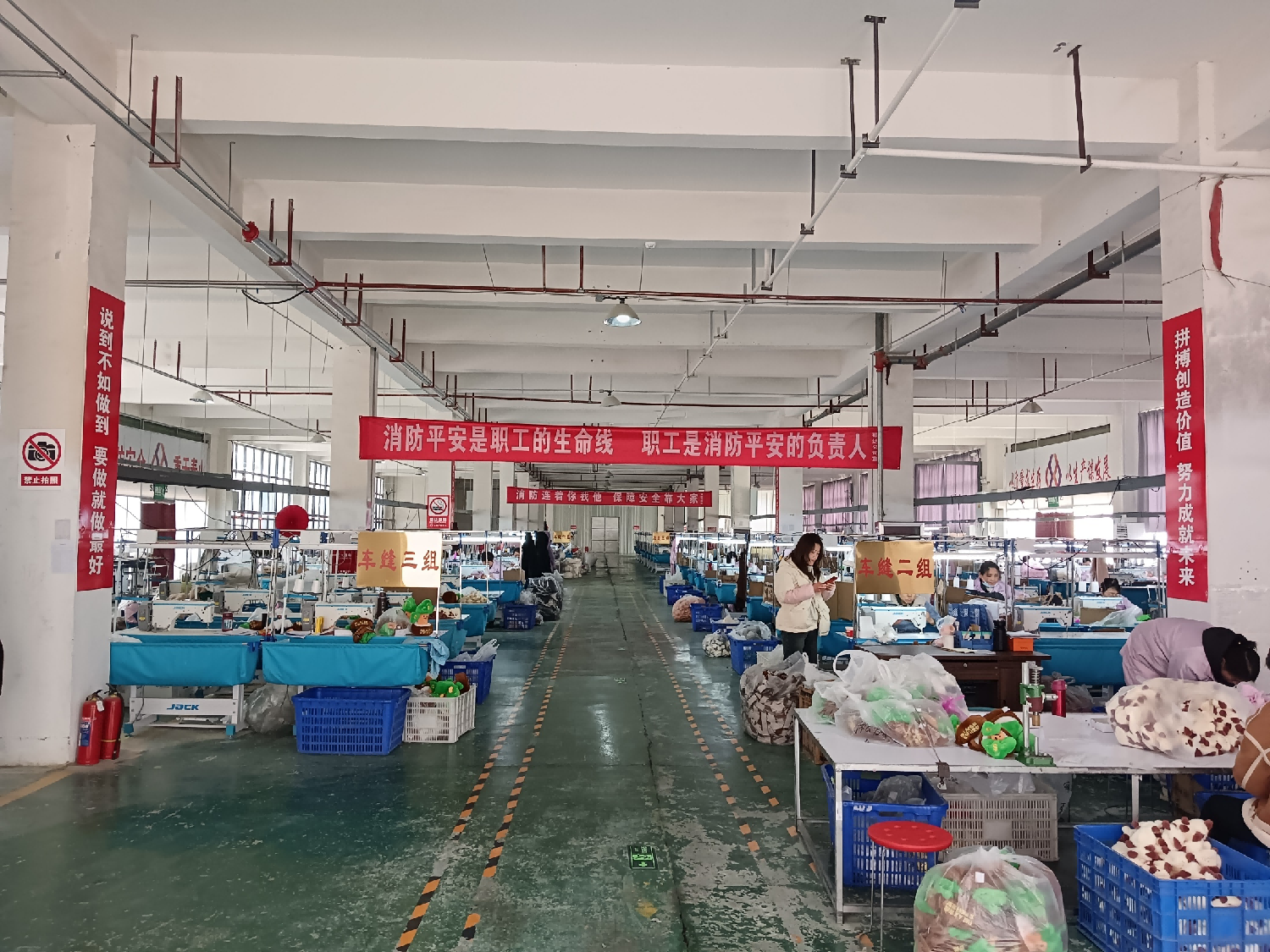 Acoustic & AI R&D Center
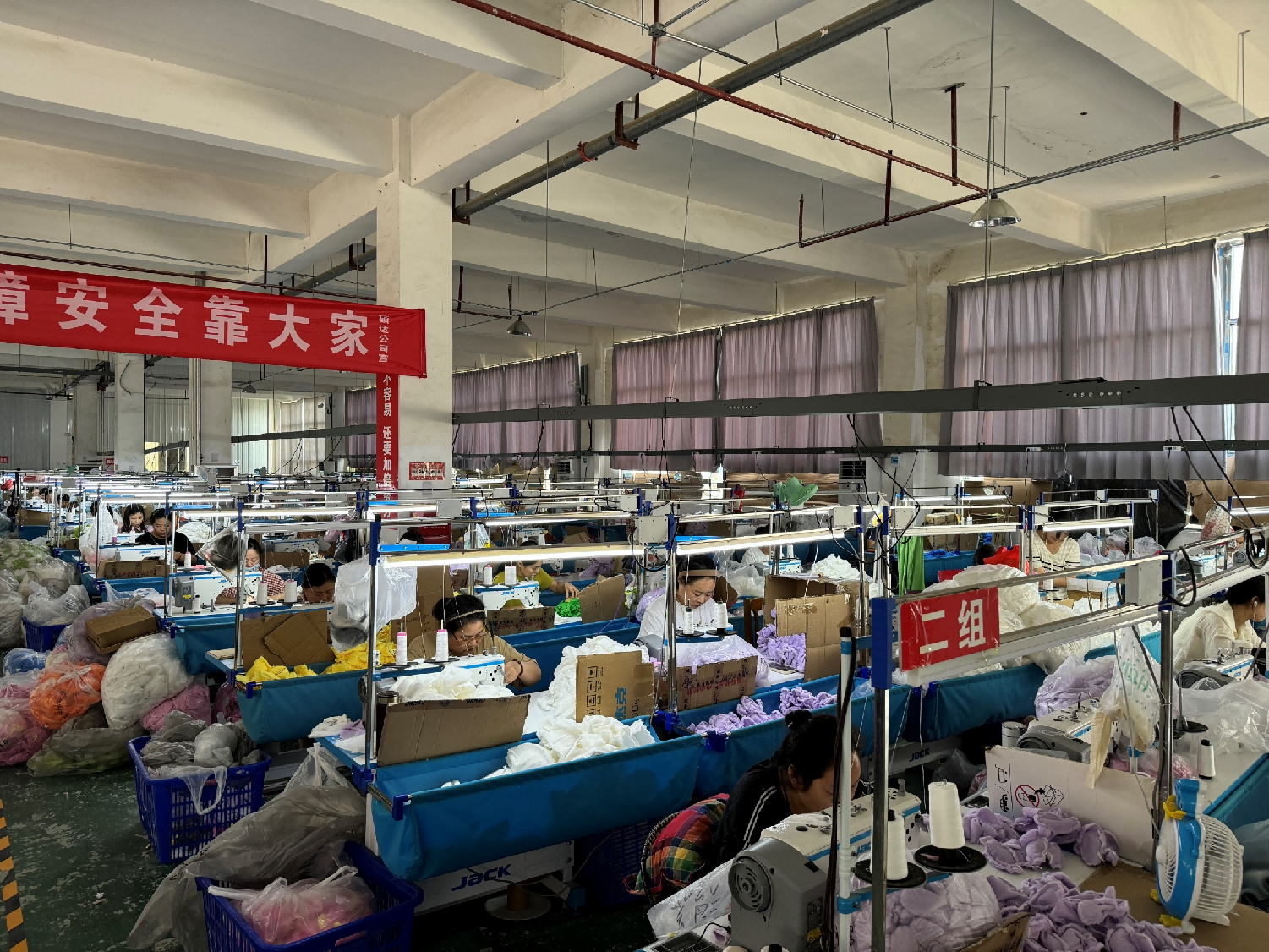 Electronics & Plush Assembly
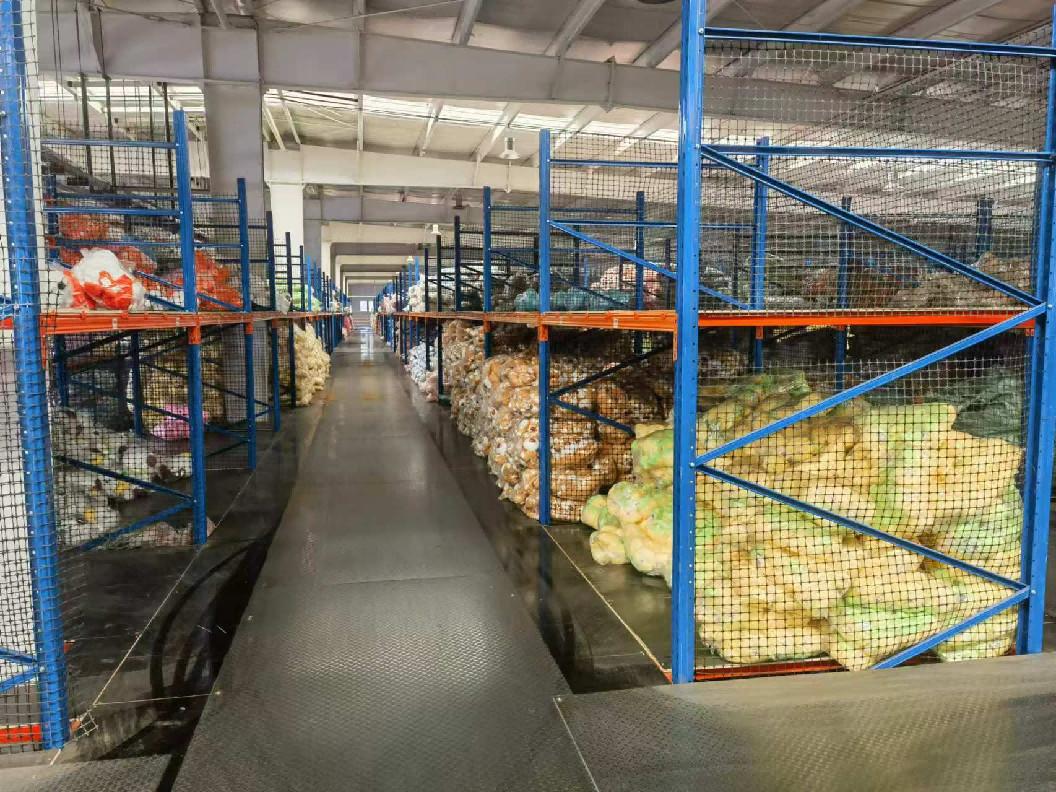 100% Final Audio & Seam QC
 Precision Textile Cutting
Character & Industrial Design
We convert your 2D mascot concepts or brand vectors into 3D plush clay models and pattern cuts, selecting child-safe velboa, corduroy, or recycled RPET eco-fabrics tailored to your target price band.
Acoustic & Firmware Engineering
Our Shenzhen engineering laboratory burns custom wake words, custom persona voice synthesis (TTS), local neural model weights, and multilingual speech prompts (supporting up to 65 global languages).
Tooling, Drop-Testing & Mass Production
Electronic housings undergo 1.2-meter drop tests and thermal cycling. Every plush skin is screened via high-sensitivity metal and needle detection machines before packaging into retail color boxes.
International Compliance & Certification Portfolio
Ship with total peace of mind. Every electronic plush batch complies with mandatory regional safety and telecommunication directives.
North American Compliance (CPC / ASTM)
ASTM F963-17 / CPSIA: Rigorous testing for mechanical hazards, small parts choking risks (16 CFR 1501), sharp points, heavy metals (lead and cadmium limits), and battery compartment screw torque retention.
European Union Compliance (CE / EN71)
EN71 Parts 1, 2, 3 & EN62115: Verified mechanical safety, flammability retardation, chemical non-toxicity, and electronic toy safety. Meets RED directive (2014/53/EU) for wireless RF emissions.
Environmental & RF Verification (FCC / RoHS)
FCC Part 15 Subpart B/C & RoHS 2.0: Radio frequency interference testing for Wi-Fi and Bluetooth antennas. Toxic substance elimination ensures 100% lead-free, mercury-free, and phthalate-free bill of materials.
Frequently Asked Questions for Importers & Buyers
Answers to critical questions regarding sampling, technical customization, firmware licensing, and logistics terms.
What is the typical Minimum Order Quantity (MOQ) for custom AI plush toys?
For in-stock catalog models with standard firmware and neutral branding, we accept evaluation sample orders starting at just 1 piece, with standard bulk MOQ starting at 10 to 50 pieces. For complete custom OEM plush designs—including bespoke fabric dying, proprietary plastic mold tooling, and customized AI character prompt programming—the standard production MOQ starts at 500 pieces per design.
How does the AI voice integration work, and who pays for the LLM token consumption?
We provide multiple flexible architectures. In our standard solution, the plush connects through our secure, proprietary cloud backend or Tuya Smart IoT infrastructure. Buyers can either bundle 1 to 2 years of complimentary cloud AI access with the toy's purchase price, integrate their own corporate OpenAI/Anthropic API keys, or enable end-user in-app subscription renewals.
Can the plush toy be washed without damaging delicate electronic components?
Yes. We have developed an innovative "Core-Eject" modular chassis. The electronic housing (containing the battery, PCB, speaker, and sensors) is locked inside an internal zippered safety pouch with a child-proof safety latch. Consumers or caregivers can easily unzip the internal pouch, extract the electronic module, and place the outer plush skin directly into a washing machine on a gentle cycle.
How does the factory handle battery transport certification and dangerous goods shipping?
Every lithium-ion battery utilized in our talking and AI plush toys is fully certified with UN38.3 test reports, 1.2-meter drop test certifications, and Material Safety Data Sheets (MSDS). We supply complete battery documentation for ocean container shipping (FCL/LCL), air cargo, and courier services (DHL/FedEx/UPS), fully compliant with IATA Section II Dangerous Goods specifications.
What is the typical lead time for prototype development versus mass production?
Initial plush pattern paper cuts and preliminary 3D-printed enclosure prototypes require 7 to 10 working days. Following prototype approval and electronic testing, standard mass production lead times typically range from 25 to 35 working days depending on order quantity, seasonal production queues, and specialized fabric dye requirements.
What Incoterms and international payment currencies do you accept?
We support all standard global Incoterms: FOB Shenzhen/Hong Kong, EXW, CIF, CFR, DDP (Delivered Duty Paid), and DDU. We accept corporate wire transfers in major global currencies including USD, EUR, GBP, AUD, and CAD, providing transparent milestone billing (typically 30% deposit upon order confirmation, 70% balance upon final pre-shipment inspection).