Engineered for Global Retailers & Consumer Electronics Importers
Explore production-ready AI plush platforms featuring hardware-level acoustic beamforming, tactile sensor matrices, and scalable multilingual large language model integrations.
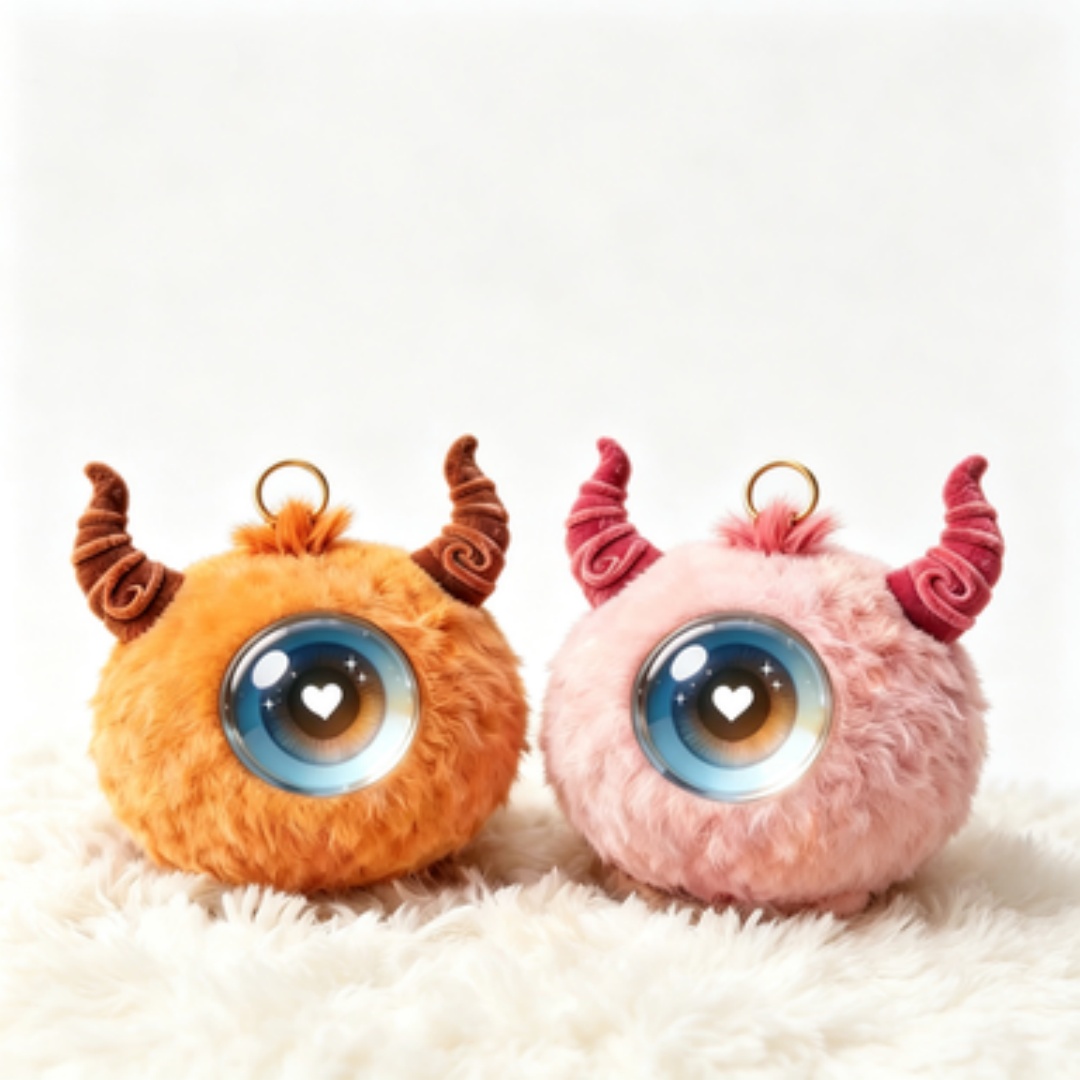
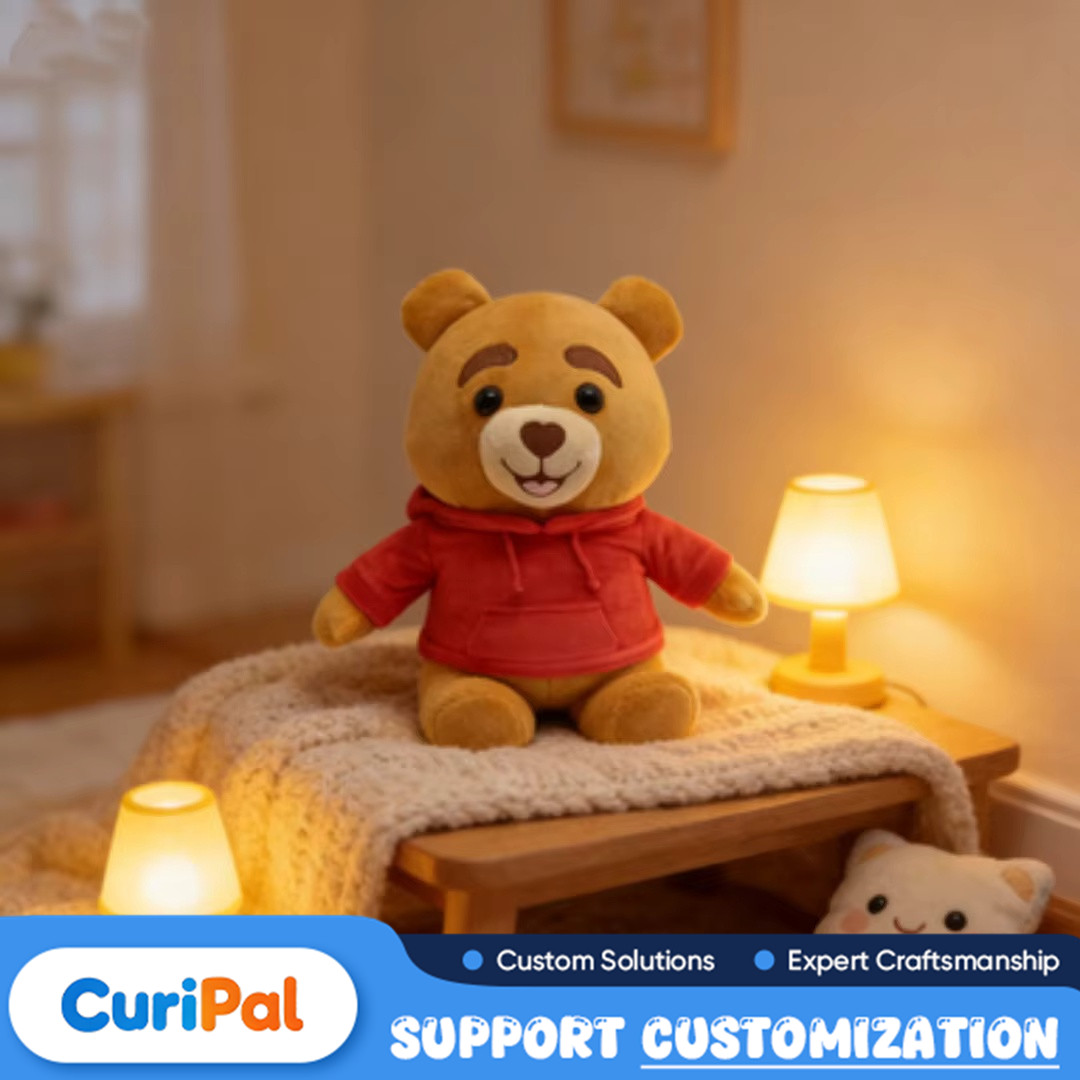
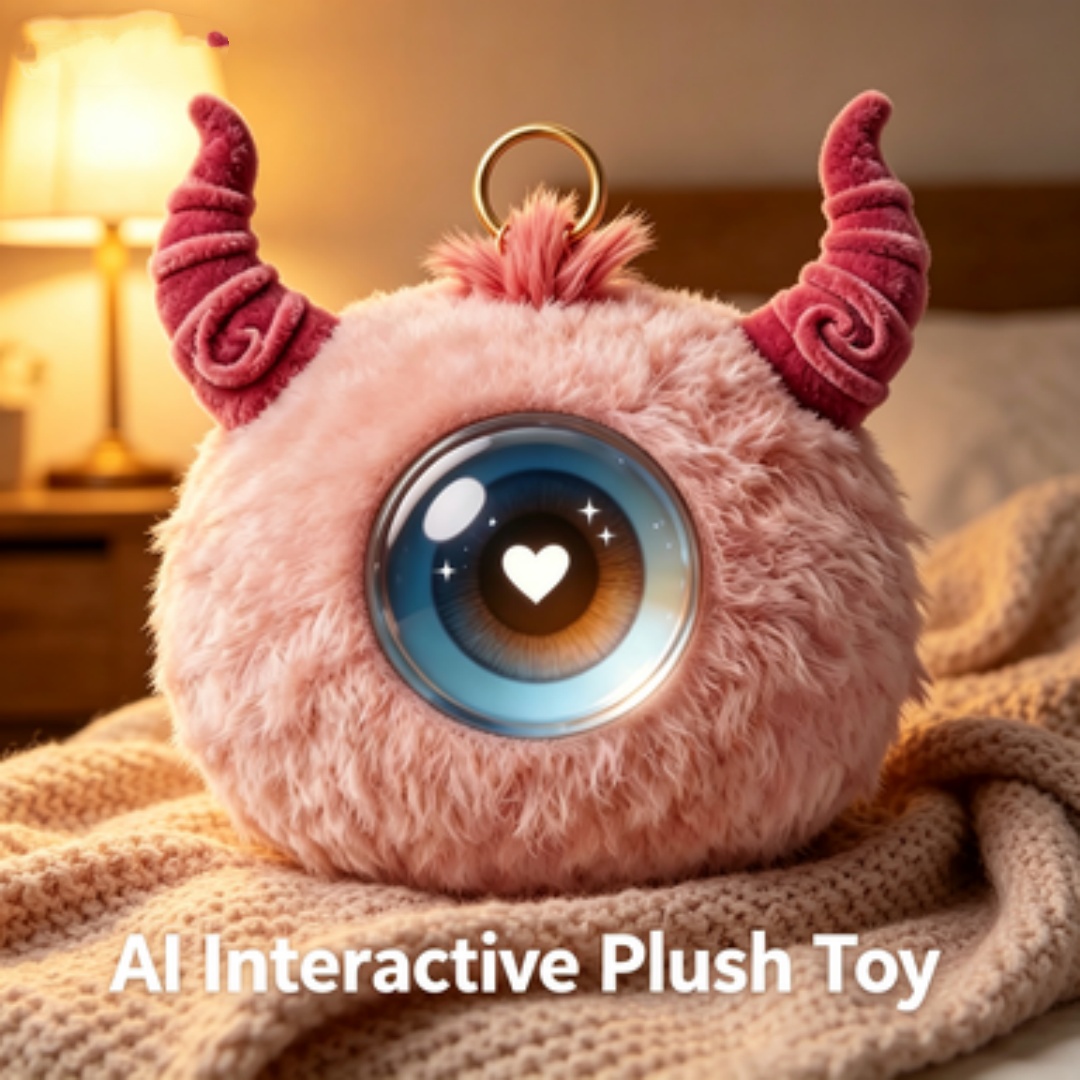
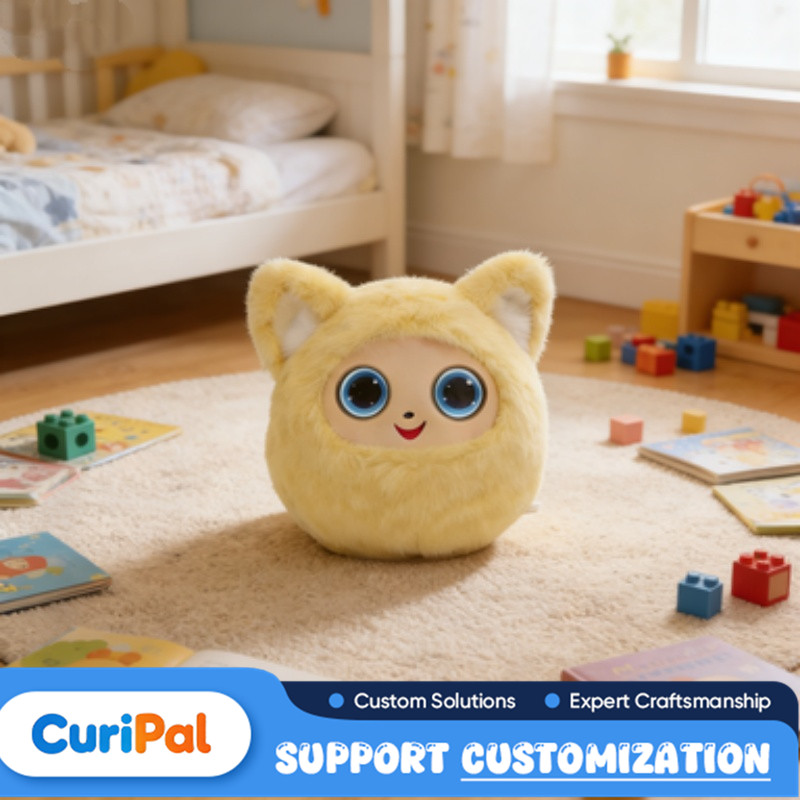
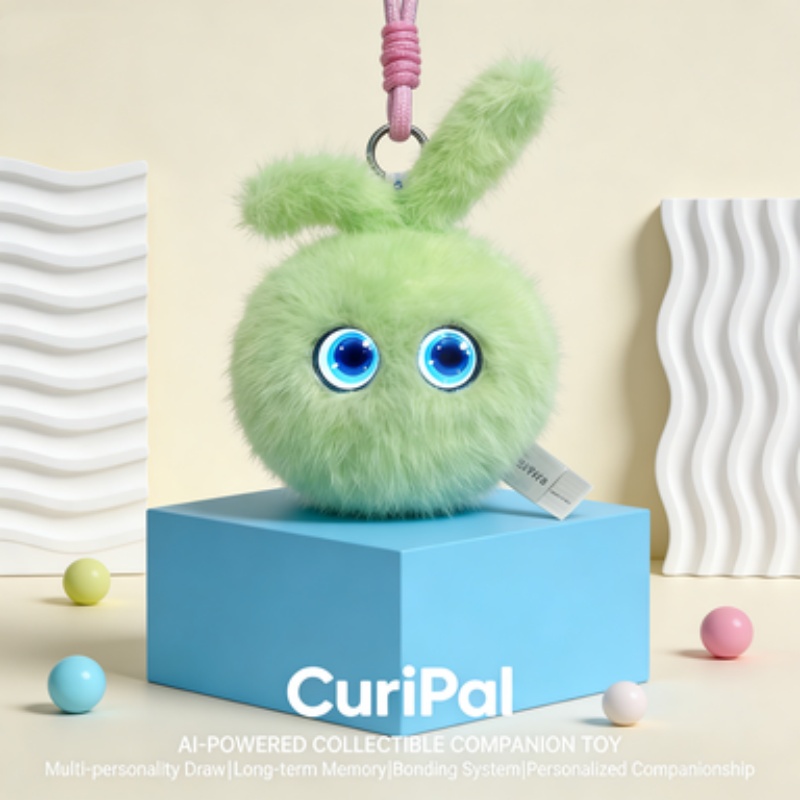
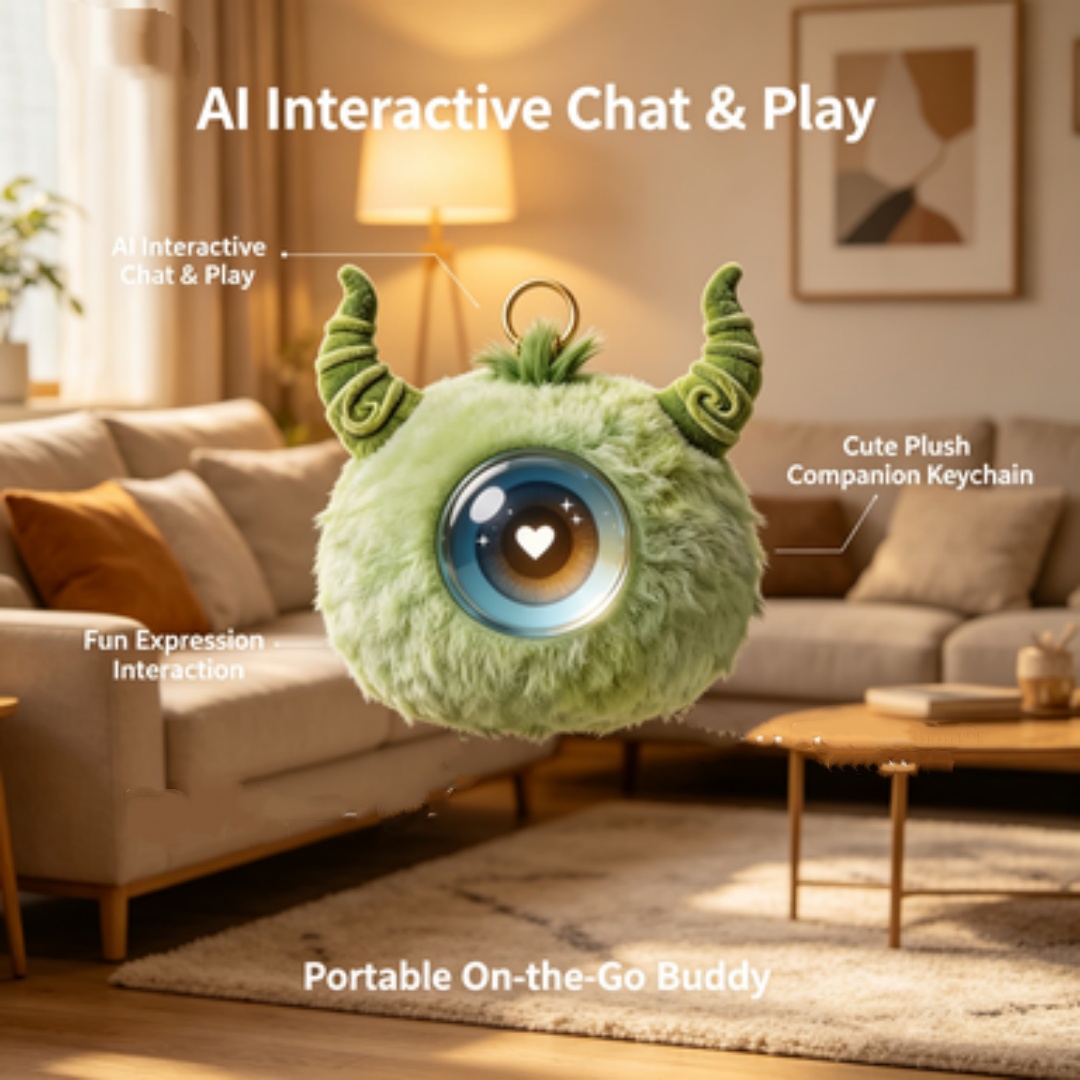
The Paradigm Shift: From Mechanical Talking Bears to Generative AI Companions
The global toy and juvenile products industry is undergoing an unprecedented technological metamorphosis. For more than three decades, the interactive plush category was dominated by static, pre-recorded voice-box mechanisms triggered by physical pressure switches. These legacy toys operated within rigid decision trees, limited memory capacities, and zero linguistic contextual comprehension. In stark contrast, China wholesale smart teddy bear factories and exporters have fundamentally reimagined plush toys as physical edge-nodes for large language models (LLMs) and intelligent conversational AI engines.
Today's international enterprise buyers—ranging from Tier-1 department store procurement directors and multinational toy brand licensees to cutting-edge educational robotics startups—require hardware that delivers genuine emotional perception, continuous contextual memory, and ultra-low-latency voice transmission. Producing these next-generation interactive bears requires bridging the historically separated domains of traditional textile craftsmanship and precision electronic hardware engineering. As the world's epicenter for advanced IoT fabrication, Shenzhen and the surrounding Greater Bay Area represent the premier global cluster capable of integrating high-end acoustic beamforming microphone arrays, custom lithium-ion battery management systems (BMS), interactive LCD/OLED optical expressions, and cloud-hybrid neural voice synthesis into compliant, huggable plush toys.
B2B Procurement Insight: The distinction between a novelty sound toy and a true AI companion lies in acoustic isolation engineering, latency under 900ms across hybrid-cloud infrastructures, and adherence to zero-retention child data privacy regulations such as US COPPA and EU GDPR-K.
Inside the Smart Teddy Bear: Electronics Engineering & Acoustic Isolation
A technical breakdown of how Chinese manufacturing hubs solve acoustic echo cancellation, tactile latency, and child-safe thermal dissipation inside soft, insulated plush enclosures.
Dual-Channel MEMS Acoustic Front-End
Integrating sensitive microphones into a fiberfill-stuffed enclosure creates significant challenges: high-frequency damping, internal mechanical hum, and synthetic fabric rubbing noise. Professional exporters deploy dual-microphone arrays with customized silicone acoustic dampening chambers coupled with hardware-level Acoustic Echo Cancellation (AEC) and Beamforming DSPs to isolate child speech from internal speaker output.
Edge-Cloud Hybrid Dual-Core SoCs
Modern smart bears utilize cost-optimized, low-power Wi-Fi 6 / Bluetooth Low Energy (BLE 5.3) microcontrollers such as the ESP32-S3 or customized AIoT silicon. Wake-word engines and local haptic detection run on local edge silicon with sub-80ms response, streaming compressed voice data over secure WebSocket or MQTT protocols to LLM inference pipelines with conversational latency below 850 milliseconds.
Safe Lithium BMS & Thermal Envelopes
Because smart plush toys are tightly hugged and frequently brought to bed, thermal dissipation within dense PP cotton is critical. Leading factories integrate UL-certified lithium polymer cells encapsulated in flame-retardant (UL94-V0) ABS inner enclosures, regulated by secondary ICs protecting against over-current, over-charge, over-discharge, and temperature excursions exceeding 42°C.
| Hardware Subsystem | Standard Tier Specification | Enterprise AI Tier (Custom OEM) | Key Compliance / B2B Impact |
|---|---|---|---|
| Microcontroller (MCU) | Single Core RISC-V 160MHz (Offline Only) | Dual-Core Xtensa LX7 + Neural Processing Unit (NPU) | Enables on-device keyword detection & cloud stream encryption |
| Connectivity Suite | BLE 4.2 Legacy Local Pairing | Dual-Band Wi-Fi 6 (2.4/5GHz) + BLE 5.3 Mesh Support | Guarantees low jitter and stable connection across home networks |
| Sensory Matrix | 1x Mechanical switch in paw | Capacitive multi-zone sensors + 6-Axis IMU (Drop/Hug detection) | Enables responsive emotional soothing and physical play behavior |
| Expressive Interface | Embroidered static features | Dual IPS/OLED Display Eyes or Smart LED matrix | Enhances visual engagement, social shareability, and emotional cues |
| Battery & Charging | 3x AAA Dry Cell Holder | 1200mAh–2500mAh Li-Po with USB-C and NTC thermal sensors | UN38.3, IEC 62133 compliant for global air/ocean freight |
Global Toy Safety Standards, Radio Directives & Child Data Privacy
Navigating the regulatory matrix for smart connected toys: combining physical mechanical safety with telecommunications and strict privacy mandates.
Importing connected smart toys into the European Union, North America, Japan, and Australasia demands compliance with two distinct regulatory frameworks: Physical/Chemical Toy Safety and Wireless/Data Privacy Mandates. Traditional toy importers frequently overlook the complex telecommunications and privacy standards governing microphones and cloud transmission in juvenile products. Shenzhen Cutepetstoys Technology Co., Ltd. builds full traceability into every production batch to ensure straightforward customs clearance.
North America (US & Canada)
Physical: ASTM F963-23, CPSIA (Lead & Phthalates), 16 CFR Small Parts.
Wireless & Privacy: FCC Part 15B/15C, COPPA (Children’s Online Privacy Protection Act) compliance with zero audio storage and parental verification gateways.
European Union & UK
Physical: EN71-1 (Mechanical), EN71-2 (Flammability), EN71-3 (Heavy Metal Migration), REACH Annex XVII.
Electronics: EN 62115 (Electric Toy Safety), RED Directive 2014/53/EU, RoHS 2.0, CE-EMC, and strict GDPR-K compliance.
Oceania (Australia / NZ)
Safety: AS/NZS ISO 8124 parts 1, 2, and 3.
Battery & Telecom: ACMA compliance (RCM Mark), mandatory consumer goods button/coin battery standards (if coin backup cells are utilized).
East Asia (Japan & Korea)
Physical: Japan ST-2016 (Japan Toy Safety Standard) / Korea KC Mark certification.
Radio & Acoustic: TELEC/MIC radio certification for Wi-Fi transmitters, with strict dB(A) acoustic exposure limits for proximity play.
A vital consideration for enterprise procurement is needle detection and physical integrity. Because electronic assemblies are inserted inside plush skins, our factories utilize dual-probe conveyor metal detectors calibrated to 0.8mm ferrous spheres, ensuring zero broken needles or metal fragments remain in finished goods. Furthermore, all synthetic fabrics (boa, crystal super-soft velvet, sherpa) and PP virgin cotton stuffing undergo rigorous flammability testing to guarantee self-extinguishing behavior compliant with 16 CFR 1500.44 and EN71-2.
Future Technology Trends: Edge AI, Multimodal Sentiment & Circular Materials
Key technological advances shaping the next 5 years of smart plush development and procurement strategies.
Small Language Models (SLMs) on Edge
While current smart toys rely on cloud APIs for inference, next-generation platforms are shifting toward quantized on-device Small Language Models (SLMs) running on sub-watt neural co-processors. This enables completely offline conversational capability, eliminates ongoing API subscription overheads, provides sub-200ms latency, and completely removes data privacy vulnerabilities.
Multimodal Prosody & Emotional Perception
Beyond textual intent comprehension, advanced models are integrating acoustic prosody analysis. The teddy bear detects vocal stress, tears, excitement, or exhaustion in a child's or elder's voice, dynamically adjusting speech cadence, narrative themes, and companion feedback. This provides rich therapeutic value across both pediatric healthcare and senior companion verticals.
Circular Fabrics & Removable Cores
Environmental packaging and recyclability are moving from brand differentiators to regulatory mandates across the EU (Ecodesign for Sustainable Products Regulation). Procurement is prioritizing smart plush featuring Global Recycled Standard (GRS) fabrics, certified rPET stuffing, and modular "removable electronics cores" allowing the outer textile skin to be machine washed and recycled.
Frequently Asked Questions for Importers & Enterprise Buyers
Direct answers addressing technical implementation, factory audits, MOQ scales, and international shipping logistics.
What are the minimum order quantities (MOQ) for custom AI teddy bears?
Standard catalog models with existing tooling and certified firmware are available from as low as 1 piece for evaluation samples and 10 pieces for bulk stock orders. For customized plush appearances, bespoke embroidery, custom pantone dye-lots, and custom-branded packaging, the standard production MOQ starts at 500 to 1,000 pieces. Full custom injection tooling for unique plastic skeleton chassis or LCD eye housings begins at 3,000 pieces.
How are cloud LLM server latency and subscription costs structured?
We provide two operational architectures: (1) Turnkey Cloud Services: Pre-configured via scalable Tuya or custom enterprise servers where API token costs are either bundled into the hardware FOB price or billed via an enterprise SaaS tier; (2) Open API Routing: We flash custom firmware allowing your team to route conversation traffic directly through your own OpenAI, Microsoft Azure, or custom private LLM endpoints, ensuring complete data ownership and zero middleman token markups.
Can the plush outer skin be washed without damaging the electronics?
Yes. Our engineering designs feature two distinct architectures for hygiene maintenance: (1) Removable Internal Core: A hidden safety zipper with an anti-entrapment locking mechanism allows parents to extract the central electronics capsule, battery pack, and sensors completely, allowing the outer plush skin to be machine washed; (2) Hydrophobic Nano-Coated Fabric: For integrated models, fabrics are treated with durable stain-resistant, water-repellent coatings allowing quick surface disinfection with medical-grade wipes.
What documentation is provided for international hazardous materials shipping?
All smart teddy bears shipped with integrated rechargeable lithium-ion cells include comprehensive documentation: UN38.3 test summaries, 1.2-meter drop test reports, Material Safety Data Sheets (MSDS), and sea/air transport condition certificates issued by accredited labs (e.g., Pony, SGS, or Intertek). Shipments are fully classified under Section II of Packing Instruction 966/967 (lithium-ion batteries packed with/contained in equipment) for seamless global logistics.
What is the typical development cycle for custom OEM/ODM plush robots?
Initial design rendering and 2D pattern development take 3–5 working days. First physical functional prototype (incorporating internal electronic dummy blocks) is completed in 7–10 days. Following 3D physical sample sign-off, PCBA layout, antenna tuning, and pre-compliance safety checks require 15–20 days. Mass production lead time typically ranges between 30 and 45 calendar days, contingent upon factory volume schedules and raw material dye-lot approvals.
How does your factory ensure child safety regarding voice recording privacy?
Our solutions comply strictly with international child online protection regulations (including US COPPA and EU GDPR-K). Voice data transmission is encrypted end-to-end using TLS 1.3. Microphones remain idle until physically activated via an explicit mechanical paw button or local edge-based wake word. By design, our systems support real-time streaming speech-to-text without recording or storing raw child voice audio on persistent cloud databases.
Why Global Brands Partner with Shenzhen Cutepetstoys Technology
Combining Shenzhen's high-tech electronics ecosystem with master plush pattern craftsmanship and rigorous quality assurance.
Complete OEM/ODM Turnkey Pipeline
From initial concept art, 3D clay modeling, and acoustic cavity simulation to fabric laser cutting, automated sewing, electronics burn-in testing, and retail packaging design—our integrated 51–100 person team manages the entire process under one unified engineering framework, eliminating miscommunication between plush makers and PCBA contractors.
Systematic QC & Extended Warranty
In addition to strict AQL 1.5/4.0 inspection standards covering seam strength (greater than 70N pull testing), torque testing, drop testing, and 100% automated needle detection, Shenzhen Cutepetstoys provides an extended 2-month warranty beyond standard industry terms, backed by responsive engineering support and firmware maintenance agreements.
Proven Tier-1 Export Partnerships
We serve established international brands and distributors across North America, Europe, Oceania, and East Asia, with key partnerships including AXTECH and Luvvi & Co Pty Ltd. Operating across FOB, CIF, CFR, EXW, DDP, and DDU Incoterms, we offer multi-currency settlement (USD, EUR, GBP, AUD, CAD) with direct shipping lanes to major global ports.
Accelerate Your Smart Teddy Bear Product Line
Consult directly with our engineering team to review technical specifications, request evaluation samples, or initiate custom prototype development.
Contact Us