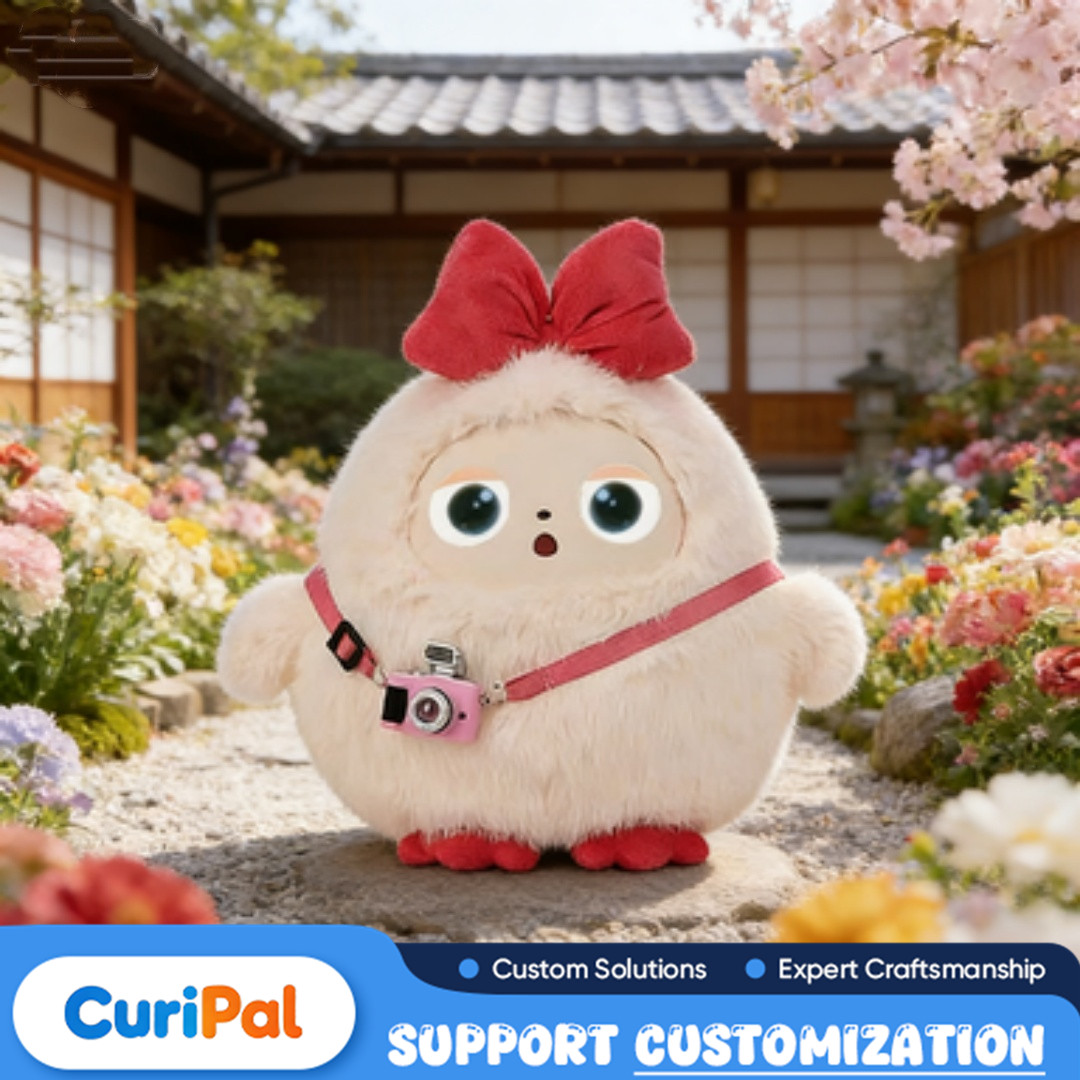
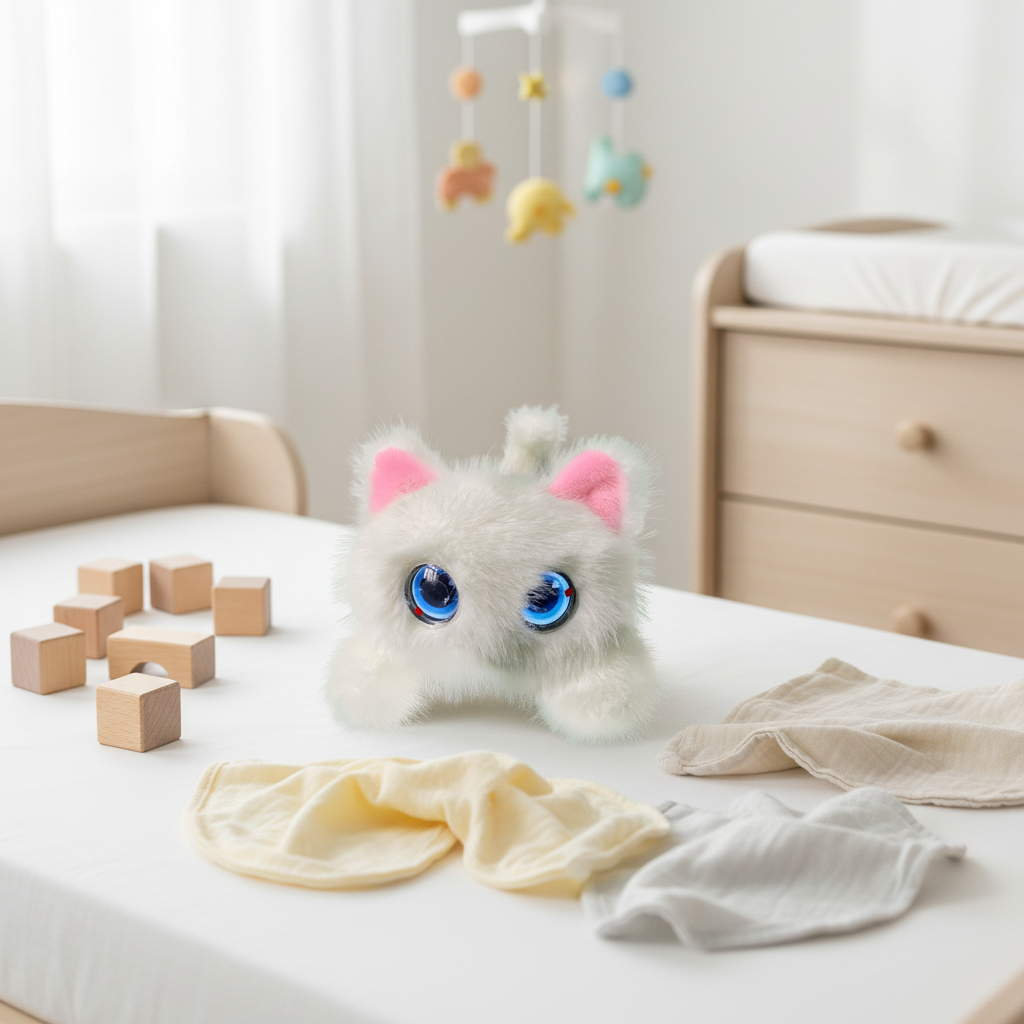
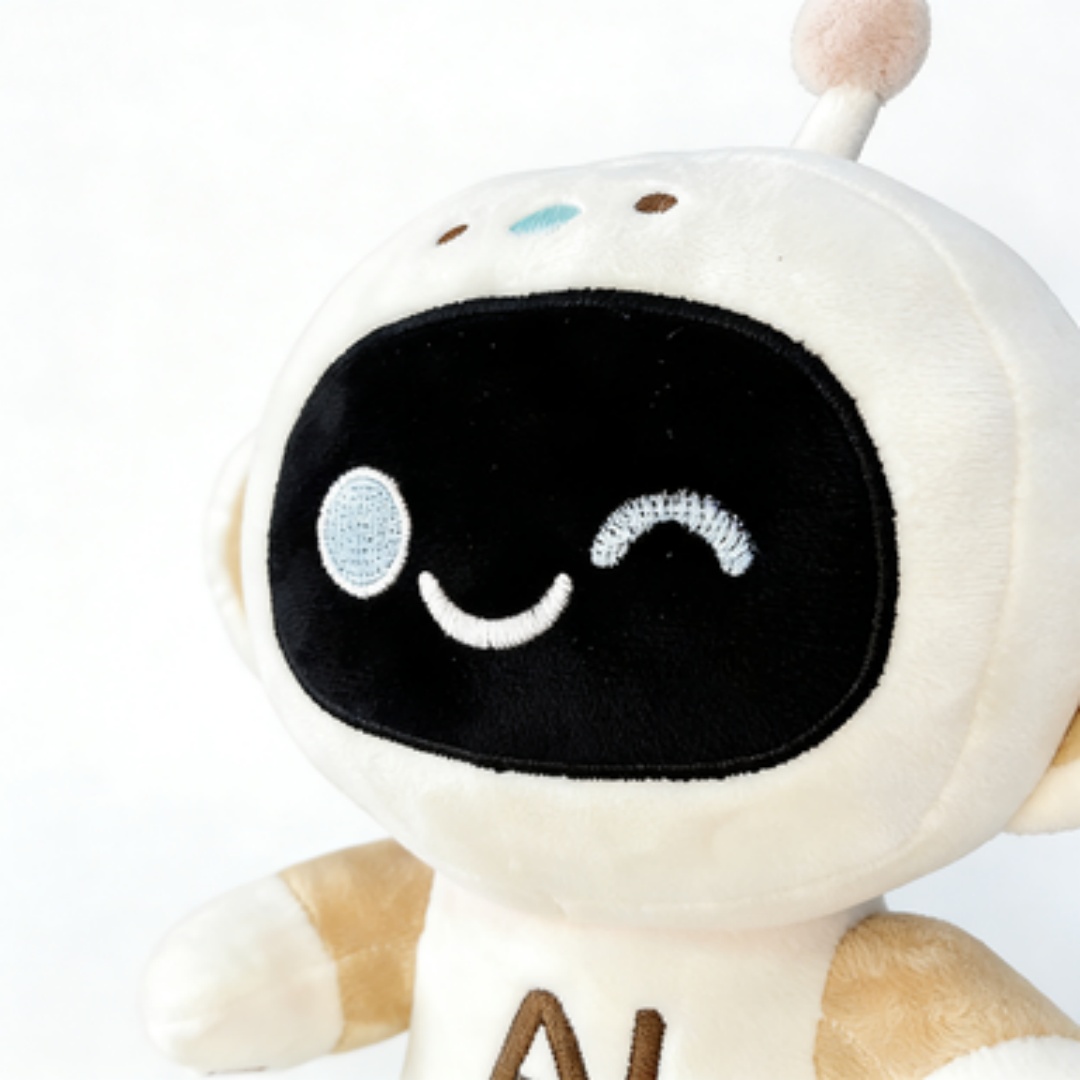
CE Certified Voice Activated Stuffed Animal Factories & Supplier
Precision Acoustics, Large Language Model Voice Integration & Complete Regulatory Compliance (CE-RED, EN71, FCC, CPC) for Global Toy Brands, Retailers, and Tech IP Innovators
Explore eight market-ready voice-interactive platforms engineered by Shenzhen Cutepetstoys Technology Co., Ltd. Each production line features configurable firmware, custom shell fabrication, and strict acoustic calibration.
Executive Sourcing Summary: The Technical Realities of Voice-Activated Plush
Modern smart plush engineering has moved beyond basic cyclic sound-chip repetition. When global retail procurement teams source CE Certified voice activated stuffed animals, the technical requirements encompass three distinct operational domains: acoustic signal integrity within soft fabric cavities, electromagnetic compatibility (EMC) of embedded wireless boards under CE-RED, and mechanical compliance under EN 71-1:2014+A1:2018. As an onsite-verified supplier and manufacturer, Shenzhen Cutepetstoys Technology Co., Ltd. eliminates systemic supply chain vulnerabilities by co-engineering acoustic housings, sensor placement, and secure edge-AI algorithms inside custom plush enclosures before mass tooling begins.
Industry White Paper: Future Procurement Trends in Voice-Activated Smart Toys (2025–2030)
The commercial landscape for interactive plush toys is undergoing a foundational transition driven by three market forces: conversational generative AI, heightened global toy safety frameworks, and enterprise sustainability mandates. B2B toy purchasers, brand licensees, and educational distributors must realign their procurement blueprints according to the following industry trends:
Full traceability under EN 71-3 (Migration of elements) and REACH annex XVII.
Acoustic Ingress
Unprotected plastic speaker cones behind open fabric
Hydrophobic acoustic mesh with resonant sound cavities
Maintains decibel limitations (<80 dB at 50cm) per EN 71-1 acoustic limits.
1. Shift Toward Hybrid Edge-to-Cloud Natural Language Architecture: B2B volume buyers are no longer requesting toys that execute pre-recorded looping phrases. Enterprise retail markets demand intelligent dynamic conversation. The next procurement cycle centers around microcontrollers running on-device wake-word engines (reducing latency to <200ms) with cloud-mediated Large Language Models (such as ChatGPT, DeepSeek, or proprietary educational databases) to support context-aware child engagement across up to 65 localized languages.
2. Stringent Focus on Toy Data Privacy & Sound Pressure Decibel Limits: Regulatory inspection regimes in the European Union (CE Mark) and United States (CPC / ASTM F963) now strictly monitor wireless connected toys under cybersecurity directives (EU Delegated Regulation 2022/30 / EN 18031) alongside physical acoustic testing. Suppliers must prove that microphone components cannot be accessed over unencrypted ports and that sound levels strictly comply with the Class 1 sound pressure thresholds of EN 71-1 to prevent pediatric hearing damage.
3. Modular Internal Architecture for Accelerated Disassembly & Recycling: Driven by the EU Ecodesign for Sustainable Products Regulation (ESPR), smart plush manufacturers must design toys that separate electronic modules (PCBs, lithium cells, LCD screens, speakers) from textile shells in under 60 seconds at recycling centers. This necessitates modular mechanical clipping mechanisms over permanent solvent gluing.
Technology Roadmap: The Evolution of Intelligent Voice-Activated Companions
The progression of voice-activated plush animals follows an engineering trajectory from basic analog trigger mechanisms to emotionally adaptive artificial companions. Understanding these evolutionary phases enables corporate buyers to balance unit costs against brand positioning:
Generation
Core Architecture
Interactive Behavior
Target Demographic
Phase 1: Mechanical Analog Trigger
Mechanical tilt/vibration switches with single-channel OTP chip
Repeats 3-5 static audio recordings upon blunt mechanical impact.
Mass impulse retail, carnival novelties, promotional handouts.
Selecting an industrial manufacturing partner for electronic voice plush toys requires evaluating both textile craftsmanship and electronics engineering capability. Shenzhen Cutepetstoys Technology operates an integrated R&D and production setup designed specifically to eliminate handoff friction between plush sewing shops and electronics suppliers:
1. End-to-End In-House R&D
Our team of 51-100 personnel includes dedicated firmware engineers, structural acoustic designers, and pattern makers. We manage everything from schematic capture and PCBA layout to custom IP plush patterning under one roof.
2. Robust Production & Scale
With an annual export turnover of US$5M–$10M and a recurring monthly capacity of ~30,000 units, we reliably serve global brands including AXTECH and Luvvi & Co Pty Ltd across North America, Europe, and Oceania.
3. Extended Warranty & QA
Unlike conventional toy mills that end liability at freight dispatch, we provide a standard quality commitment backed by an additional 2-month extended warranty across our entire electro-mechanical voice product catalog.
Precision Assembly Workshop
Acoustic & Firmware Lab
Product Testing & Showroom
Final Batch Quality Control
B2B Sourcing FAQ: Voice Activated Stuffed Animal Production
Clear, direct technical answers to the most common questions raised by international procurement managers, quality assurance auditors, and supply chain directors:
What specific tests are required for CE certification of voice toys?
A CE mark for voice-activated stuffed animals involves three primary directives: Toy Safety Directive 2009/48/EC (tested via EN 71-1 mechanical/physical properties, EN 71-2 flammability, EN 71-3 chemical migration), Electromagnetic Compatibility (EMC) Directive 2014/30/EU, and if the toy integrates Wi-Fi or Bluetooth, the Radio Equipment Directive (RED) 2014/53/EU. Cutepetstoys supplies accredited third-party test reports (TUV/SGS/Intertek) with full technical documentation.
How do you isolate the speaker without degrading plush softness?
We build our acoustic assemblies using injection-molded ABS chambers isolated inside thick silicone vibration-damping boots. The module is positioned within the central core of the plush body, surrounded by high-resilience PP cotton. This design yields warm, natural voice playback while preventing mechanical vibrations from vibrating the outer shell or creating harsh resonances.
What is the standard MOQ for custom voice and mascot development?
For stock electronic chassis utilizing existing tooling, trial samples are supported from 1 piece, with standard bulk production starting at 10 to 100 pieces. For bespoke brand mascots involving custom textile tooling, unique embroidery, custom voice characters, and private packaging, the typical baseline MOQ is 500 pieces.
How is battery safety addressed for young child usage?
Our voice-activated plush toys use certified lithium-ion cells with integrated short-circuit, overcharge, and over-discharge protection boards (tested to IEC/EN 62133 and UN38.3). The batteries are sealed inside flame-retardant internal enclosures accessible only via dual-action safety zip closures or screw-fastened panels to prevent unauthorized pediatric access.
Ready to Engineer Your Next Generation Smart Voice Plush Line?
Initiate direct communication with our senior engineering and export team. Receive comprehensive CAD breakdowns, firmware customization scopes, compliance dockets, and volume pricing tiers within 24 business hours.