Onsite-verified AI plush toy supplier · Shipping to North America, Europe, Oceania & Asia
0%

Choosing the best interactive plush toy in 2026 means looking beyond cute faces and catchy sounds. The strongest options invite children to talk, move, imagine, and return for another round of play. Some respond to touch with a soft vibration; others repeat phrases, sing, or react when a child hugs them. Those small details matter. So do comfort, age suitability, simple controls, and whether the toy remains enjoyable after the first few days.

Play researcher Dr. Stuart Brown offers a useful lens: “The opposite of play is not work—the opposite of play is depression.” His words are not a product scorecard, but they point to a practical question: does this toy encourage joyful, self-directed play? For an interactive plush toy, lively responses should support imagination rather than crowd it out. A gentle voice, clear reactions, and a soft body can make a toy feel inviting; constant prompts may do the opposite.

This guide compares leading 2026 options by interaction style, features, ease of use, and likely fit for different children. It also considers practical details, such as sound levels, cleaning needs, and how much adult setup is required. No single toy suits every child. Some children love a plush companion that chats; others prefer quiet cuddles and pretend adventures. The best choice is the one that fits the child, not merely the product box. And even a well-reviewed toy can lose its charm. That is worth remembering.
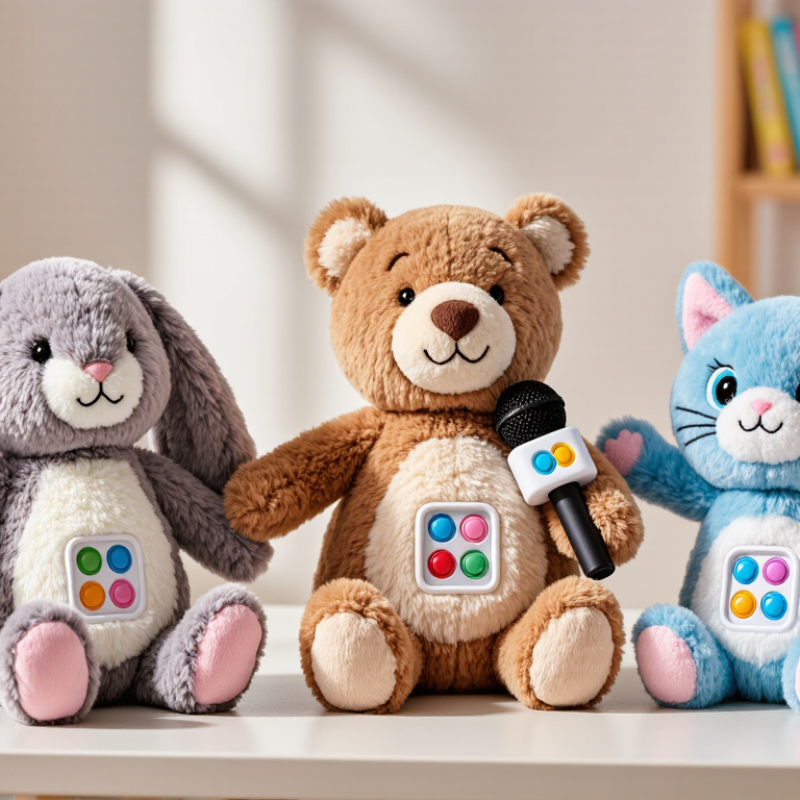
What Are the Best Interactive Plush Toys in 2026?

What Defines an Interactive Plush Toy? Sensors, Sound, Motion, and Response

An interactive plush toy does more than play a recorded sound. It detects an action, then responds in a way that feels connected to it. A child squeezes a paw; the toy might giggle, speak, or move its head. That connection is the key. If every touch triggers the same phrase, the interaction can feel repetitive after a few minutes.

Sensors shape what the toy can notice. Pressure sensors may respond to a hug, while touch points on the ears or belly can trigger different reactions. Motion sensors can detect rocking or lifting, but they may also react when the toy is bumped accidentally. Check whether responses are consistent across gentle and firmer touches. Small delays matter. A pause that is too long can make the response seem unrelated.

Sound and movement add personality, but more features do not always mean better interaction. Clear speech, adjustable volume, and modest movement can work well in a quiet bedroom. In a busy room, soft audio may be hard to hear. Notice whether the toy repeats phrases often, and whether its motion looks smooth rather than abrupt. A useful test is simple: try the same action several times, then try a different one. The response should be understandable, not perfect. Some toys still miss a cue now and then. That’s worth considering.

How Do Age Grades Shape Play? AAP Screen Guidance for Children Under 18 Months

Age grades are more than packaging. For babies under 18 months, a plush toy’s sounds, lights, and buttons should invite face-to-face play, not replace it. The American Academy of Pediatrics advises avoiding screen media before 18 months, except video chatting. If screens are introduced between 18 and 24 months, caregivers should choose quality content and watch together. A screen-free toy can still offer warmth and play, but “interactive” does not automatically mean developmentally helpful.

Evidence points to the value of simple play. A 2016 JAMA Pediatrics study of 26 infants aged 10 to 16 months found fewer adult words, conversational turns, and parental responses during play with electronic toys than with books or traditional toys. That matters. A caregiver narrating a plush toy’s soft ears or asking, “Where did it go?” gives a child room to look, babble, and respond. The World Health Organization’s 2019 guidelines recommend no sedentary screen time for infants under one, and none for one-year-olds. Age labels cannot judge every child’s readiness, either. A toy may be rated for an age range yet still overstimulate a particular baby; pause, observe, and adjust.

Which Features Matter in 2026? Compare Play Modes, Battery Life, and Durability

Play modes matter only when they invite a child to respond. Look for toys that combine touch, sound, and simple movement, such as a plush animal that answers a gentle squeeze or reacts to a spoken prompt. A few distinct responses can hold attention longer than dozens of repetitive sounds. Try the toy in a quiet room if possible; loud effects can become tiring fast. More features do not always mean better play.

Battery life is harder to compare than the package suggests. Runtime often changes with volume, motion, and how frequently a child activates the toy. Check whether the maker states typical use conditions, and consider charging time or battery replacement before buying. A toy that stops halfway through a long car ride is frustrating. Small detail, big difference. Rechargeable designs reduce battery swaps, but they still need a reliable charging routine.

Durability deserves a close look, especially around seams, ears, and attached accessories. Gently press the plush and inspect whether stitching feels even and electronics sit securely inside. Check the care instructions, too: a surface-wash-only toy may be inconvenient after spills, while removable electronics can make cleaning easier. No toy stays pristine forever. I would also weigh repairability and replacement-part availability, details that product pages sometimes leave vague. The best choice balances engaging responses with sturdy construction and a battery routine your household can actually manage.

How Can Buyers Compare Value? Weigh Price Against Functions and Expected Lifespan

When comparing interactive plush toys in 2026, look beyond the shelf price. A toy with lights, songs, sensors, and several play modes may cost more, but those features matter only if a child uses them often. Watch a demonstration, if possible: Does the toy respond reliably to a gentle touch, or does it need repeated pressing? Small frustrations can shorten playtime.

Estimate the cost over its likely useful life. Check whether batteries are included, how quickly they may need replacing, and whether the fabric can be cleaned according to the care instructions. A removable sound module can make spot-cleaning easier, while a fragile seam may be a concern for a toy carried around daily. Ask about the warranty and replacement parts, too. Those details affect value. Not always.

Expected lifespan is hard to predict. A toy used occasionally may stay engaging for years; one used every day may wear at the seams much sooner. Compare the price with the functions a child actually enjoys, rather than counting features on the box. Reading several recent owner reviews can reveal recurring issues, though individual experiences vary. A simple, sturdy toy may offer better value than a feature-rich one that spends most of its time switched off.

What Safety Checks Matter? ASTM F963-23 and CPSC Small-Parts Rules for Under-3s

For interactive plush toys in 2026, a soft surface is not enough to judge safety. In the United States, ASTM F963-23 is the mandatory toy safety standard incorporated by the CPSC. For children under three, inspect the toy’s age guidance and check whether small parts could detach during normal use or foreseeable handling. Small parts that fit the CPSC test cylinder can pose a choking risk. Tiny parts matter.

Look closely at stitched seams, plastic eyes, decorative noses, and any attached accessories. Give each area a gentle tug, and check for loose threads or exposed filling. Press buttons and move the toy through its advertised actions; movement should not pull parts loose. Check battery compartments, too. They should stay securely closed, with no easy access to batteries or wiring. Check every seam.

Labels and online descriptions can help, but they do not replace careful inspection. A toy may look sturdy in a photo and feel different in a child’s hands. If a seam opens, a component cracks, or a battery cover loosens, stop using the toy. I would still want clearer, age-specific guidance on many interactive toys; “soft” does not tell caregivers how well the parts hold up.

FAQS

Which play features can keep a child engaged?

Look for responses to touch, sound, or simple movement. A gentle squeeze might trigger a clear reaction. A few distinct responses can feel fresher than repeated noises. More features are not always better.

How can I tell if a toy’s sounds are too loud?

Try it in a quiet room, if possible. Listen for harsh or repetitive effects. Loud sounds can become tiring quickly. I might underestimate this in a busy store.

What should I check when comparing battery life?

Runtime can change with volume, movement, and frequent play. Look for typical-use details, not just a headline estimate. Consider charging time or battery replacement. Small detail, big difference.

Are rechargeable toys always more convenient?

They reduce battery swaps, but still need regular charging. Think about whether your household can keep that routine. A toy that stops during a long car ride can frustrate everyone.

How can I check whether a plush toy is durable?

Gently press the fabric and inspect seams, ears, and attached pieces. Look for even stitching and securely placed electronics. No toy stays pristine forever.

What makes an interactive plush easier to clean?

Read the care instructions before choosing. Surface-wash-only designs may be awkward after spills. Removable electronics can help, though they do not solve every mess.

What safety details should I inspect for a young child?

Review the age guidance and check eyes, noses, accessories, and seams. Gently tug attached pieces; look for loose threads or exposed filling. Tiny parts matter. Stop using the toy if something cracks or comes loose.

What should I check on the battery compartment?

Make sure the cover stays firmly closed, with no easy access to batteries or wiring. Press buttons and test the advertised movements; parts should remain attached. I would still want clearer age-specific guidance.

Conclusion

The best interactive plush toy in 2026 is one that responds in ways that feel engaging without making play overly complicated. Sensors, sounds, and movement can create a sense of interaction, while clear play modes help caregivers choose an experience suited to a child’s age and interests. For babies under 18 months, consider guidance from the American Academy of Pediatrics on screen exposure and prioritize hands-on play, comfort, and simple responses.

When comparing toys, look beyond the feature list: battery life, ease of cleaning, sturdy construction, and expected lifespan all affect value. A higher price may be worthwhile if the toy offers durable materials and useful play options, but more functions do not automatically mean a better fit. Before buying, check age labels, review relevant ASTM F963-23 safety information, and make sure toys intended for children under three do not contain accessible small parts that could present a choking hazard.

Ethan

Ethan

Ethan is a professional marketing specialist dedicated to helping businesses understand innovative products, emerging market opportunities, and practical solutions for sustainable growth. With a strong command of the company’s product portfolio, industry applications, and customer needs, he......